

Managing High Blood Pressure and Cholesterol: A Primary Care Guide
Medically reviewed by Colleen Burke, APRN-NP, Family Medicine – Core Care Clinic | Last updated: August 2026
High blood pressure and high cholesterol are two of the most common conditions primary care providers manage – and two of the easiest to overlook, since both typically cause no symptoms at all until something more serious happens.
Managing them well isn’t about a single fix or a one-time prescription. It’s an ongoing relationship between you and your provider, built on regular monitoring and adjustments over time as your body, your life, and your numbers change.
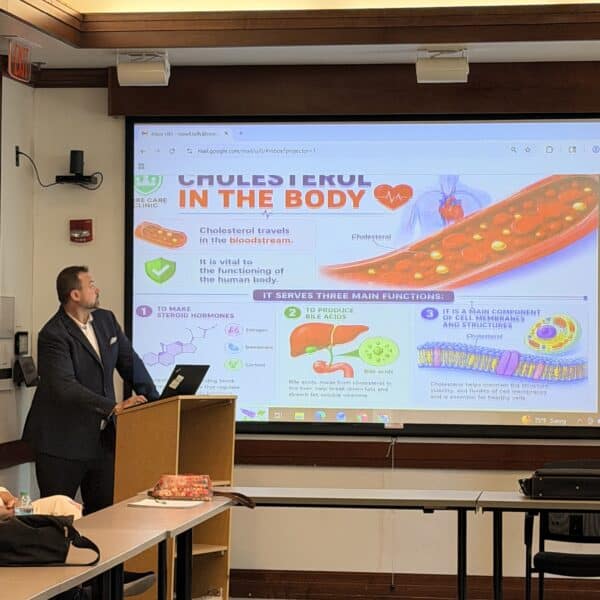
Why These Conditions Are Often Missed
You can’t feel high blood pressure or high cholesterol. There’s no ache, no warning sign, no obvious moment where something feels wrong – which is exactly what makes them dangerous. Many people find out they have either condition only during a routine screening, sometimes after years of it quietly affecting their arteries and heart.
This is different from most health problems, which tend to announce themselves in some way. High blood pressure and high cholesterol are sometimes called “silent” conditions for exactly this reason – waiting for symptoms before taking them seriously means waiting for a heart attack or stroke to be the first sign.
What Ongoing Management Actually Looks Like
- Regular blood pressure checks, at visits and sometimes at home between visits, so your provider sees the full pattern rather than one number in isolation
- Periodic bloodwork to track cholesterol levels over time – a single reading matters less than the trend
- Medication management – starting, adjusting, or simplifying prescriptions as your numbers and life change, never a “set it and forget it” approach
- Honest conversations about diet, activity, and other factors that genuinely move the numbers, without unrealistic expectations or generic advice that doesn’t fit your actual life.

Why Continuity With One Provider Matters Here
These are conditions best managed over years, not single visits. A provider who’s tracked your numbers over time can spot a trend before it becomes a problem – a slow upward drift in blood pressure over several visits, for example, is something a first-time provider seeing you once would simply miss.
This is also why we treat blood pressure and cholesterol management as part of your ongoing primary care relationship, not a separate specialist referral. The same provider managing your overall health is the one watching these numbers, which means fewer gaps and fewer things falling through the cracks between different offices
What You Can Do Between Visits
- Take medications as prescribed, even once you feel fine – feeling fine doesn’t mean the underlying numbers have changed
- Bring any home blood pressure readings to your appointments, if you’re tracking them
- Mention any new symptoms, even ones that don’t feel connected – fatigue, headaches, or vision changes are all worth flagging
Common Questions
How often should I get my blood pressure checked?
This varies by individual risk factors – your provider will recommend a schedule based on your specific situation, but annual checks are a reasonable baseline for most adults.
Can I manage this without medication?
Sometimes, especially early on – lifestyle changes make a real difference for many people. Your provider will discuss what’s realistic for you specifically, rather than assuming one approach fits everyone.
What happens if my numbers don’t improve?
Your provider will work with you to adjust the plan – different medications, different combinations, or a closer look at what else might be contributing. This is a genuinely collaborative, ongoing process.
Is high cholesterol always related to diet?
Diet plays a role, but genetics and other factors matter too – some people with excellent diets still have high cholesterol due to how their body processes it. This is worth discussing directly with your provider rather than assuming.
Blood Pressure & Cholesterol Management at Core Care Clinic Core Care Clinic manages chronic conditions like these across all three of our locations – Waltham, North Andover, and Tampa – with the continuity that makes long-term management actually work. This article is for general educational purposes and is not a substitute for professional medical advice. Please consult your provider for guidance specific to your health.
|